
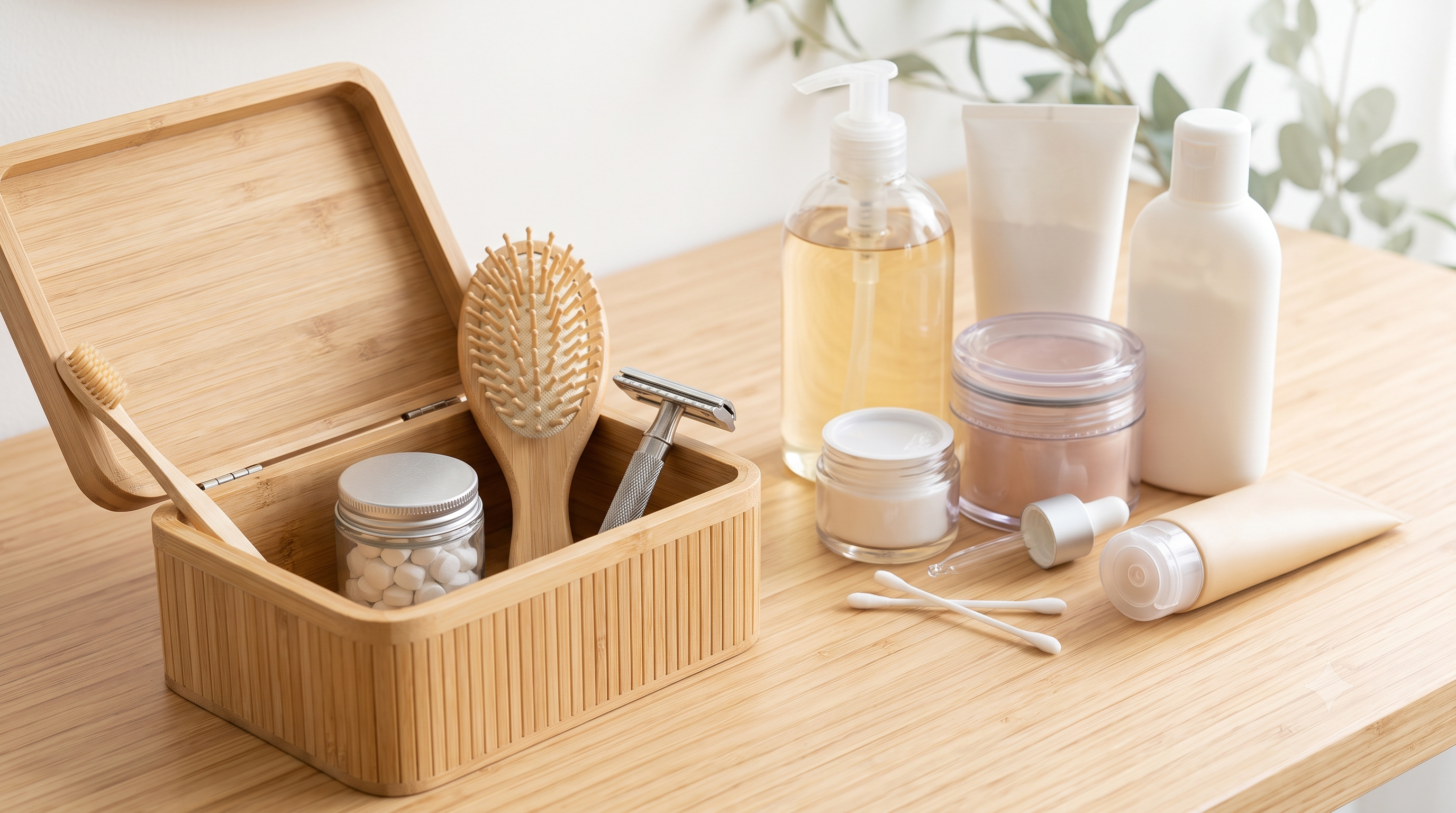
If you’ve already swapped your toothbrush for a bamboo one, congratulations — you’ve made the single most commonly cited plastic-free switch there is, and it’s a genuinely good place to start. But a typical morning routine, from the moment an alarm goes off to the moment you walk out the door, touches a lot more plastic than just that one item. Most of it is so ordinary and so quietly built into daily habit that it never gets flagged as something to reconsider at all.
This is an audit, not a guilt trip. The point isn’t that anyone did anything wrong by using a plastic hairbrush or a synthetic shower pouf — it’s that these items were simply the default option for decades, and defaults rarely get questioned once they’re in place. Walking through an ordinary morning minute by minute is the easiest way to actually see what’s there, instead of relying on memory, which tends to skip right past the items you’ve stopped noticing.
Minutes One Through Five: The Bathroom Sink
The first stop in most mornings is the sink, and it’s already a denser cluster of plastic than people expect. Beyond the toothbrush itself, there’s the plastic floss container it usually sits next to, and the plastic-stemmed cotton swabs in the cabinet or drawer used for ears, small makeup fixes, or cleaning tight spaces. A bamboo floss refill pack or organic bamboo charcoal floss in a reusable glass container replaces the disposable plastic case, and bamboo cotton ear buds swap the stem for one that breaks down naturally instead of persisting for centuries.
Even the toothbrush itself needs a second look once it’s swapped: a bamboo toothbrush resting in a plastic cup or lying flat against a wet countertop doesn’t dry properly between uses, which shortens bristle life regardless of what the handle is made from. A bamboo toothbrush holder keeps it upright and ventilated, closing a gap that a lot of otherwise-complete swaps leave open.
Minutes Five Through Twelve: The Shower
The shower is where plastic hides in the most plain sight of anywhere in the routine, mostly because it’s mistaken for something else entirely. The shower pouf or mesh sponge that most people reach for without a second thought is made from synthetic plastic mesh, and according to the Plastic Pollution Coalition, synthetic fibers like these shed microscopic plastic particles with ordinary use, which go straight down the drain and into the local water system every single time. A natural loofah sponge, grown from an actual loofah plant rather than shaped to resemble one, does the same job without shedding synthetic fiber, and it composts fully at the end of its life. For more sensitive skin, a sisal exfoliating glove is a gentler natural-fiber alternative.
Bar soap left directly on a wet shower shelf also tends to sit in its own plastic dish, going soft and wasted faster than it should. A sisal soap saver bag lets a bar drain properly between uses and makes the most of every last sliver, while a charcoal shampoo bar quietly removes an entire plastic bottle from the routine — one that would otherwise be refilled or replaced roughly once a month.
Minutes Twelve Through Twenty: Hair and Skin
Once the shower ends, the next plastic touchpoint usually shows up in the form of a hairbrush. Most standard brushes are molded plastic with synthetic nylon bristles, and while that’s rarely anyone’s first thought when picturing “bathroom plastic,” a brush used daily for years adds up to a genuinely long-lived piece of plastic in near-constant contact with skin and scalp. A bamboo paddle hairbrush replaces it with wide, gentle pins that tend to be easier on both hair and scalp, and bamboo doesn’t build up static the way plastic does over time.
Skin care routines add a few more overlooked items. Reusable facial rounds are a common swap for disposable cotton pads, but they need somewhere dry to sit between washes — a bamboo facial rounds holder keeps them off a damp counter and out of a plastic dish. And natural toothpaste tablets, while technically part of the sink step, are worth flagging here too, since the plastic toothpaste tube is one of the most-used and least-questioned items in an entire morning.
The Overlooked Culprits Most People Miss
A few items deserve special mention because they’re genuinely easy to miss on a first pass through this kind of audit. Cotton swabs are the clearest example — most people picture a plastic bag or bottle when they think “bathroom plastic,” not a small stick that gets used for ten seconds and thrown away, but the volume adds up fast across a household over a year. The synthetic shower pouf is a close second, since it’s often mistaken for a natural sea sponge or loofah at a glance, when it’s actually a plastic mesh bag with a drawstring.
Floss containers are another quiet offender — a small, hard plastic case that gets replaced every few weeks and rarely gets a second thought, since floss itself is thought of as the more obviously disposable part of the equation. And a shampoo bottle sitting in the shower for a month at a time is easy to stop seeing entirely, the way any object left in the same spot long enough eventually fades into the background.
Why These Small Items Add Up
None of these items looks like much on its own, which is exactly the point. A single cotton swab, a single floss container, a single shampoo bottle — none of them registers as a big decision the way, say, buying a car does. But a typical household replaces a plastic hairbrush every year or two, a shower pouf every few weeks as it frays, a floss container every month, and a shampoo bottle on a similar monthly cycle. Multiplied across a household and a year, that’s a genuinely large stack of plastic that never once felt like a deliberate purchase.
The Story of Stuff Project has spent years documenting exactly this pattern in everyday consumer goods: it’s rarely the big, obvious purchases that add up to the most plastic over a lifetime, it’s the small, frequently replaced items that never get questioned because they’re too routine to notice. A morning routine is a near-perfect example of that dynamic in miniature.
Zero-waste education nonprofit Eco-Cycle frames this the same way when it comes to household waste audits generally: the first step is simply noticing what’s actually in daily rotation, since most people vastly underestimate how many small, frequently discarded items they go through in a year until they physically count them. A morning routine, walked through item by item, is one of the fastest ways to run that kind of count at home.
What to Look for When Auditing Your Own Routine
Start with what touches water daily. Anything that gets wet every morning — a pouf, a floss container, a soap dish — wears out faster and gets replaced more often than dry household items, which makes it a higher-impact place to start.
Look past the obvious. The toothbrush is the item everyone already thinks about. The more useful audit looks at the five or six things sitting next to it that rarely get a second glance.
Check what’s actually plastic versus what looks natural. A synthetic pouf can look enough like a natural sponge from across a bathroom that it’s worth actually picking it up and checking the material.
Notice replacement frequency, not just presence. An item replaced monthly matters more over a year than one replaced every five years, even if the monthly item feels smaller and less significant in the moment.
A Few Myths About Morning Plastic
“I already swapped my toothbrush, so I’ve covered the big one.” The toothbrush is the most visible swap, but it’s typically one of six or more plastic touchpoints in a full morning routine — the floss container, cotton swabs, shower pouf, hairbrush, and soap dish are all still worth a look.
“A shower pouf isn’t really plastic — it’s basically a sponge.” Most shower poufs are made from synthetic nylon or polyester mesh, not a natural sponge material, and according to the Plastic Pollution Coalition, they shed microscopic plastic fiber into wastewater with regular use.
“Small items like cotton swabs don’t add up to much.” Individually, no — but a household using a box of plastic-stemmed swabs every month or two accumulates a meaningful volume of plastic waste over a year, precisely because the item feels too small to reconsider.
“Natural fiber alternatives don’t clean or exfoliate as well.” A natural loofah or sisal exfoliating glove performs comparably to synthetic versions for most people, and both dry faster between uses, which is actually a hygiene advantage.
“Auditing my whole routine at once is the only way to do this properly.” Most people find it easier to swap one item, get used to it, and move to the next — a full-routine audit is meant to show you what’s there, not to demand you replace everything in a single weekend.
Frequently Asked Questions
Where should I start if my whole routine still uses plastic? The item you touch most often and replace most frequently is usually the highest-impact place to start — for most people that’s the toothbrush, floss, or shower pouf, since all three get replaced on a cycle of weeks to months.
Is a synthetic shower pouf really that different from a natural loofah? Yes — a synthetic pouf is plastic mesh that sheds microfiber with use and doesn’t break down at the end of its life, while a natural loofah is a plant fiber that composts fully once it’s worn out.
Do bamboo cotton swabs work the same as plastic-stemmed ones? Functionally, yes — bamboo cotton ear buds use the same cotton tip on a bamboo stem instead of a plastic one, so the actual use case doesn’t change.
How do I know if my hairbrush is worth replacing? If the bristles are synthetic nylon and the handle is molded plastic, it’s a candidate — a bamboo paddle hairbrush is a straightforward one-for-one swap that most people adjust to within a few uses.
Does a floss container really matter compared to the floss itself? It matters more than it seems — a hard plastic floss case gets discarded and replaced roughly monthly, while a bamboo floss refill pack uses refillable or biodegradable materials instead of a new plastic case each time.
What about my soap — does it need anything besides a bar? A sisal soap saver bag helps a bar drain and last longer, which matters more than it sounds like once you notice how much soap gets wasted sitting in standing water on a flat dish.
How long does it take to fully audit and swap a morning routine? Most people spend a few minutes walking through their actual routine to notice what’s there, then swap items gradually over a few months as each one naturally needs replacing — there’s no need to replace anything before it’s actually worn out.
Is this audit really worth doing if I’ve already made a few swaps? Yes — most partial routines still have two or three unaddressed items, since the swaps people make first tend to be the most visible ones, leaving the quieter items like floss containers and soap dishes for later.
Running this kind of audit on your own routine takes about as long as reading this article — walk through your actual morning, item by item, and notice what you’d normally skip right past. Most people find at least two or three plastic touchpoints they hadn’t thought about in years, simply because those items became invisible through sheer repetition. None of them need to be replaced all at once, and none of them require giving anything up — just a slightly different material doing the same job, one morning at a time.
🌿 Continue Your Journey
Enjoyed this article? Here are three ways to take the next step:
🌱 Make The Bamboo Switch™ Learn how one small change can create lasting impact.
🌎 Made The Bamboo Switch™ Join a growing community choosing progress over perfection.
🤝 Become a Bamboo Switch Guide Help others discover thoughtful, sustainable living while earning rewards.
Share:
Why Bamboo Is the Right Material for Your Kitchen
Small Bathroom, Big Impact: A Studio-Apartment Plastic-Free Bathroom Makeover